


Custom Air Freshener Design Guide: Materials, Structure, Aesthetics & Packaging (2026)
What Is Air Freshener Design?
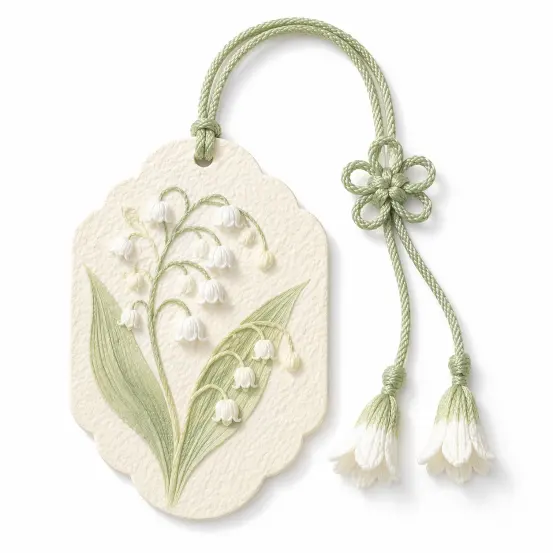
Air freshener design is no longer just about fragrance — it is a combination of material science, scent engineering, visual aesthetics, and brand storytelling.
This guide explains custom air freshener design from materials to packaging, helping brands create competitive products.
A well-designed hanging air freshener should include:
- A unique custom die-cut shape
- High-quality printed graphics
- A long-lasting fragrance system
- A functional hanging structure
- Retail-ready packaging
Key Elements of Custom Air Freshener Design
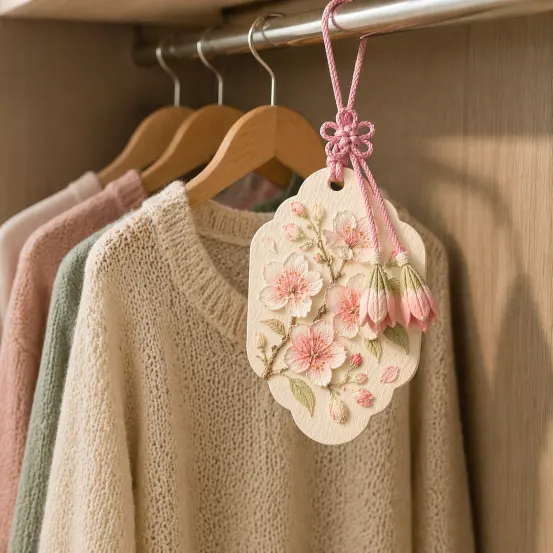
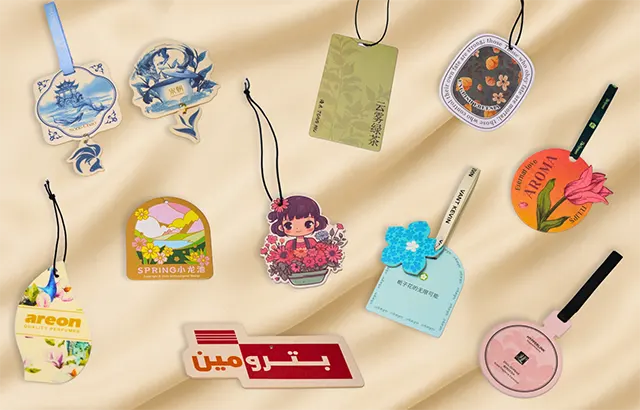
Shape Design (Die-Cut Creativity)
Shape is the first thing customers notice and plays a key role in shelf appeal.
Popular shape categories include:
- Floral shapes (rose, peony, lily)
- Cute and novelty designs (animals, food, cartoon styles)
- Functional icons (cars, bottles, brand logos)
- Seasonal designs (Christmas, Valentine’s Day)
Unique shapes can increase product visibility and attract more attention at retail.
Visual & Graphic Design
Your design style should align with your target audience:
- Minimalist style → premium lifestyle brands
- Colorful and playful → younger consumers
- Luxury finishes (foil, embossing) → gift market
- Natural aesthetics → eco-friendly positioning
Color also influences perception:
- Green represents freshness and nature
- Pink conveys softness and romance
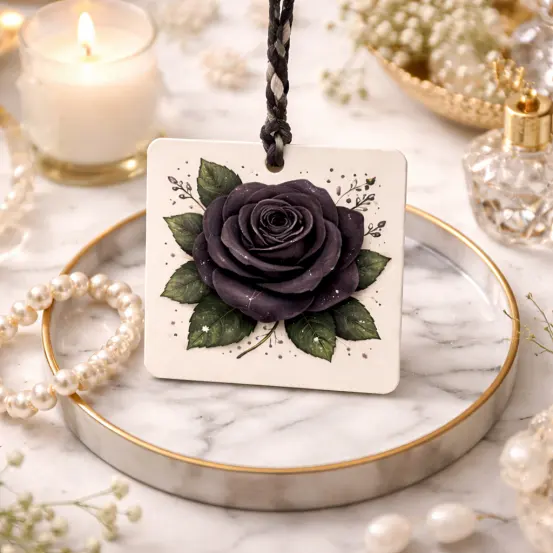
- Black signals luxury and strength
Fragrance Matching (The Invisible Design)
A successful air freshener design connects visual identity with scent experience.
Common fragrance categories:
- Floral: rose, jasmine, lavender
- Fruity: citrus, peach, berry
- Woody: sandalwood, cedar
- Fresh: ocean, green tea
Matching scent with design enhances the overall sensory experience.
What Materials Are Used in Air Fresheners?
Material selection directly impacts fragrance performance, durability, and product positioning.
Paper Air Fresheners
- Cost-effective and lightweight
- Excellent for printing and branding
- Fragrance duration: typically 2–4 weeks
Best for promotional and mass-market products
Gypsum / Diatomite
- Highly porous with strong absorption
- Long-lasting fragrance (up to 60–90 days)
Ideal for premium and home décor products
Wax Tablets
- Soft texture with gradual scent release
- Suitable for indoor environments
Ideal for wardrobes and bedrooms
Wood / Fiber Materials
- Natural texture and durable
- Subtle, long-lasting scent diffusion
Perfect for eco-friendly and premium positioning
Why 3-Layer Air Fresheners Last Longer?
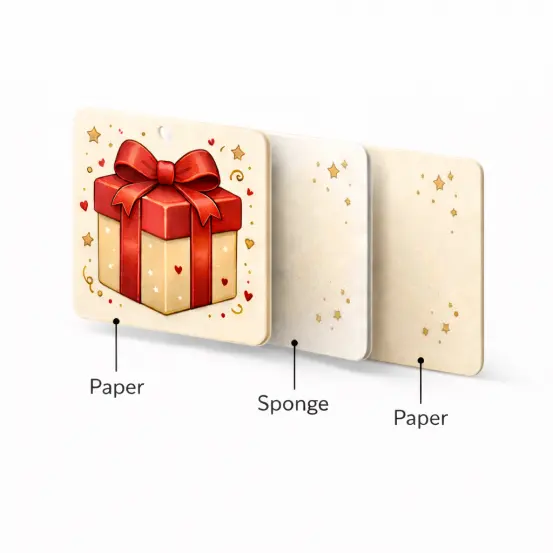
Most premium air fresheners use a 3-layer structure (Paper + Sponge + Paper).
This structure allows:
- Better fragrance absorption
- Controlled and consistent scent release
- Improved durability
Compared to single-layer designs, this structure can extend fragrance duration by 30–50%.
Packaging Design (Sales Booster)
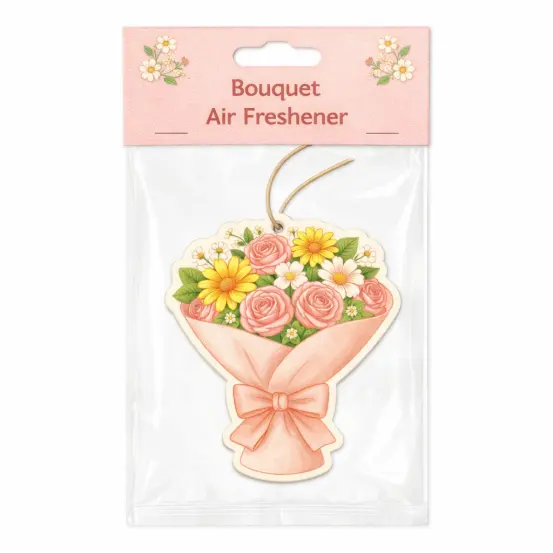
Packaging plays a crucial role in product success.
Common formats:
- OPP bag with header card
- Blister packaging
- Gift boxes
- Counter display packaging
Well-designed packaging can increase conversion rates by 30% or more.
Manufacturing & Surface Finishing Techniques
Production techniques determine both visual quality and product value.
Common processes include:
- Die-cutting for custom shapes
- Digital printing for detailed graphics
- Screen printing for solid colors
- Hot stamping and UV coating for premium finishes
- Embossing and debossing for texture
These techniques elevate brand perception and product differentiation.
Hanging System Design
Hanging accessories influence both usability and positioning:
- Cotton rope → eco-friendly and simple
- Ribbon → elegant and gift-oriented
- Elastic string → cost-effective
- Tassel → decorative and premium
Trend: metal-free and plastic-free designs are increasingly preferred.
Air Freshener Design Trends in 2026
Key trends shaping the market:
- Eco-friendly materials and sustainable production
- Minimalist and premium aesthetics
- Strong brand identity through customization
- Seasonal and gift-focused product lines
How to Create a Custom Air Freshener Design
- Define your target market
- Choose shape and size
- Develop visual design
- Select fragrance
- Confirm material structure
- Design packaging
- Conduct sampling and testing
Why Choose AromaEase
At AromaEase, we offer a complete solution for custom air freshener development:
- OEM and ODM services
- Professional fragrance formulation
- Advanced 3-layer structure technology
- Eco-friendly material options
- Global logistics support
We don’t just manufacture products — we help you create products that sell and brands that grow.
FAQ: Air Freshener Design
Q1: How long do air fresheners last?
A: Paper air fresheners typically last 2–4 weeks, while gypsum-based products can last up to 60–90 days.
Q2: What is the best material for air fresheners?
A: Paper is best for branding and cost efficiency, while gypsum offers longer-lasting fragrance.
Q3: Can I customize the shape and scent?
A: Yes, both shape and fragrance can be fully customized to match your brand.


- branded car air fresheners paper
- fresh scent car air freshener
- strong scent car air freshener
- car fragrance freshener
- car interior scent booster
- car air freshener for bad odor
- scented car air fresheners
- small batch custom paper air fresheners
- custom logo paper air fresheners
- logo printed paper air fresheners
- hotel room paper air fresheners
- Custom Air Fresheners
- paper air freshener OEM
- magnetic gift set air freshener
- smoke odor eliminator paper
- eco-friendly paper air freshener
- Paper Air Fresheners
- Car Fragrance
- Eco-Friendly Fragrance
- Sustainable Packaging
- Fast Turnaround
- Eco-Friendly Promotions
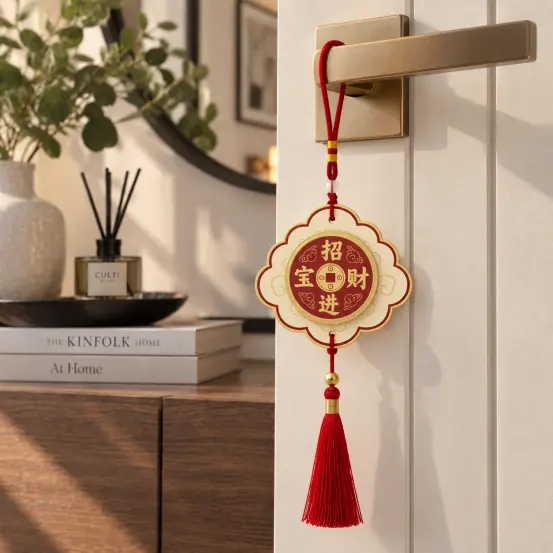
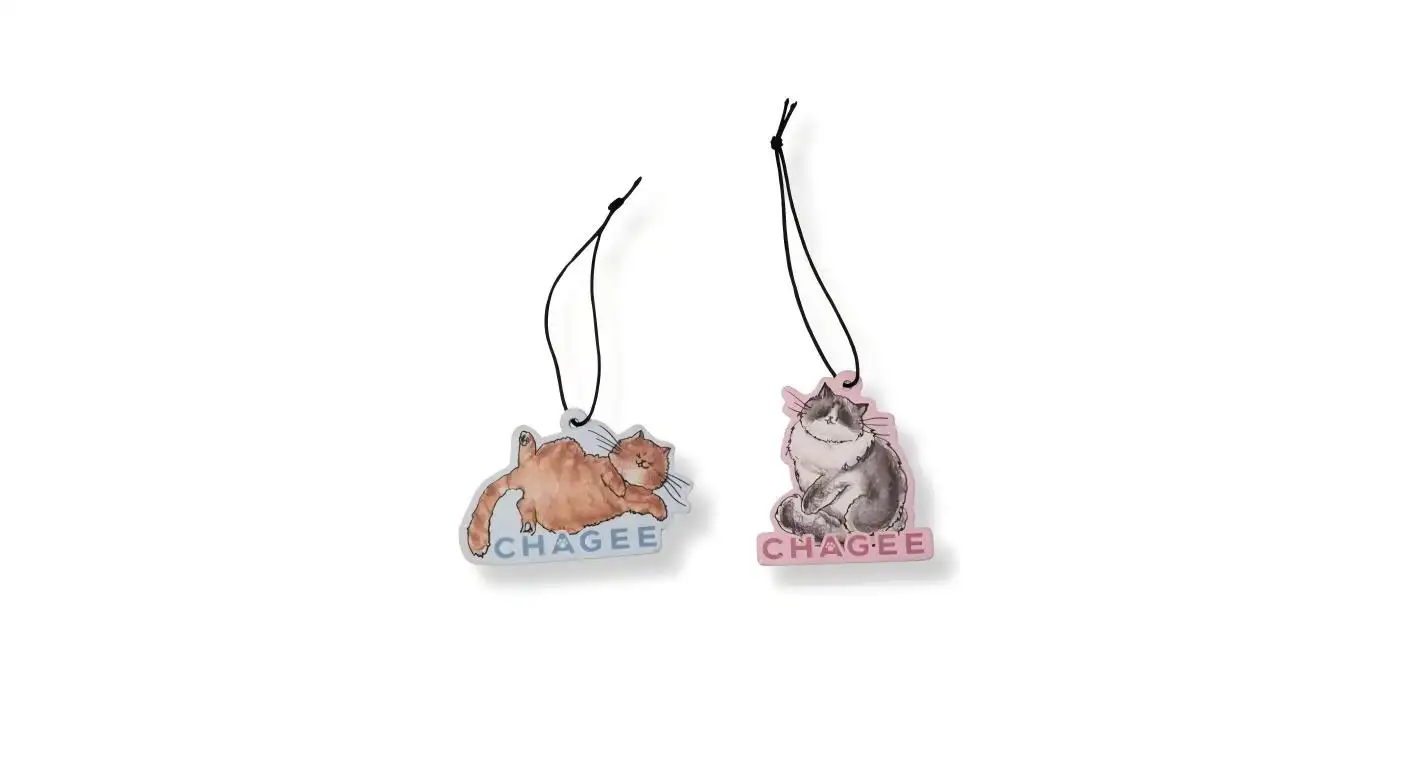
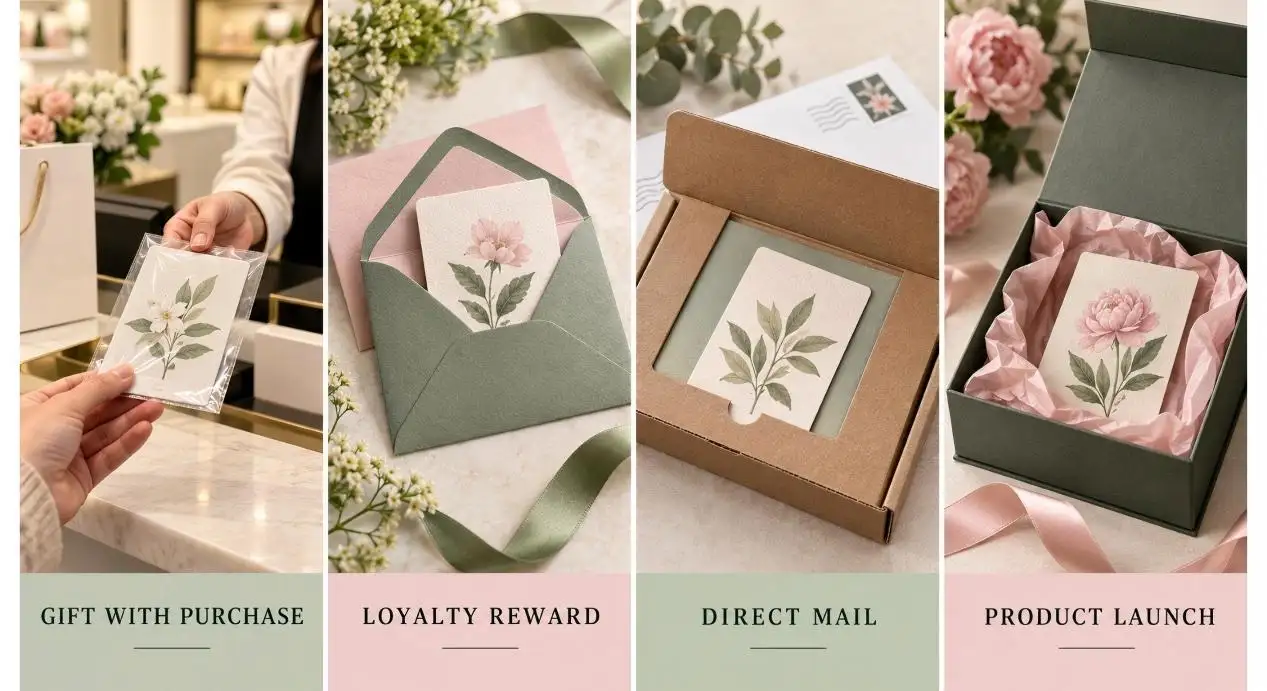
Bring Your Brand to Life with Custom Paper Air Fresheners.
- Eco-Friendly Materials
- Custom Designs
- Long-Lasting Fragrance
- Fast Turnaround
- High-Quality Printing
- Competitive Pricing

FREE SAMPLE