


Paper Air Freshener Production Techniques: A Complete Guide to Materials & Finishing
Paper air fresheners are not just about fragrance—they are the result of multiple production techniques that combine printing, material engineering, and finishing processes.
Understanding these techniques can help you create a product that is both visually appealing and long-lasting.
1. What Makes Air Freshener Craftsmanship Important?

The production process directly affects:
- Fragrance longevity
- Visual quality
- Product durability
- Brand perception
A high-end air freshener is achieved through the combination of structure + printing + finishing techniques.
2. Core Structure Process
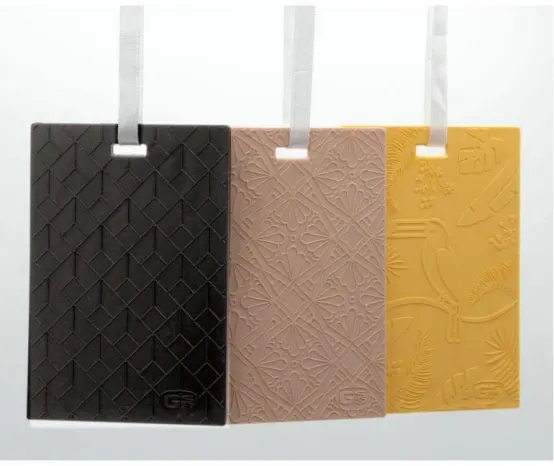
Most premium air fresheners use a three-layer structure:
- Top layer: printed paper
- Middle layer: absorbent sponge core
- Bottom layer: protective paper
Structure: Paper + Sponge + Paper
Process highlights:
- Precision lamination of layers
- Even fragrance absorption in the core
- Balanced scent release from both sides
2. Printing Techniques

Printing defines the appearance of the product.
Common methods:
1. Offset Printing
- High color accuracy
- Ideal for large production
2. Digital Printing
- Flexible for small batches
- Faster turnaround
3. CMYK Color Process
- Ensures consistent color output
- Suitable for detailed artwork
3. Fragrance Infusion Technology

This is the key step that determines scent performance.
Methods:
- Soaking infusion
- Controlled spraying
- Vacuum absorption (advanced method)
Key advantages:
- Deep penetration into the core
- Even scent distribution
- Longer-lasting fragrance
5. Die-Cutting & Shaping
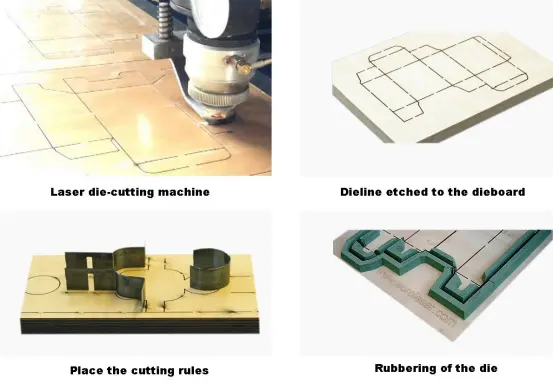
Custom shapes are created using die-cutting.
Features:
- High precision cutting
- Supports complex shapes
- Essential for branding designs
6. Surface Finishing Techniques
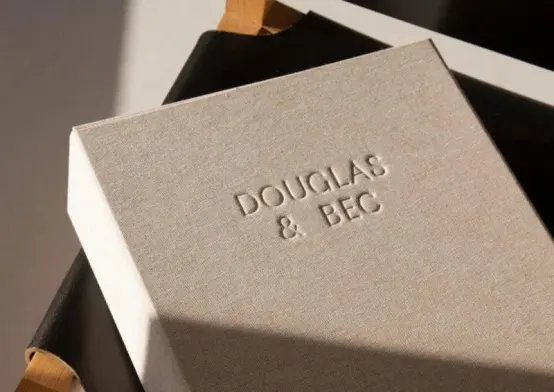
Finishing enhances the product’s visual quality.
Common techniques:
- Hot stamping (gold/silver foil)
- UV coating (gloss highlight)
- Embossing / debossing
- Matte or glossy lamination
These techniques increase premium feel and brand value.
7. Packaging Process
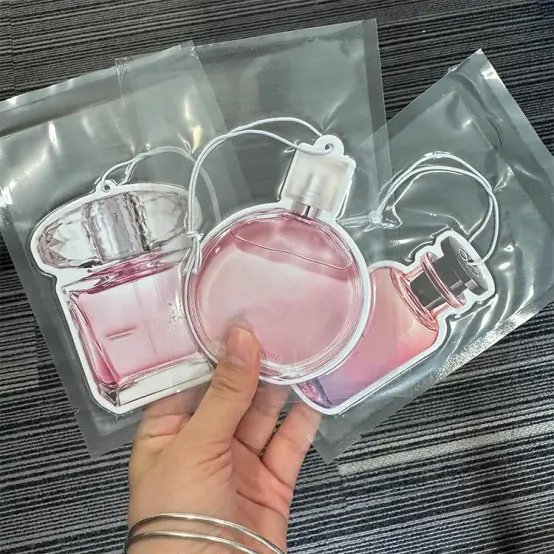
Packaging protects the fragrance and improves presentation.
Common packaging types:
- Airtight plastic bags
- Header card packaging
- Retail display boxes
- Gift box packaging
8. Quality Control Process
Before shipping, strict inspection ensures consistency:
- Fragrance intensity check
- Print quality inspection
- Shape accuracy
- Packaging integrity
9. Conclusion
The production of paper air fresheners involves a combination of advanced techniques—from structure lamination and printing to fragrance infusion and finishing.
Each step plays a crucial role in creating a product that is both functional and visually appealing.
Understanding these processes allows brands to develop high-quality air fresheners that stand out in the market.
FAQ
Q1: What is the most important process in air freshener production?
A: Fragrance infusion and core material structure.
Q2: Can complex shapes be produced?
A: Yes, die-cutting supports fully customized shapes.
Q3: Which finishing technique is best for premium products?
A: Hot stamping and embossing are commonly used.
Q4: How is scent longevity improved?
A: By using high-quality materials and advanced infusion methods.


- branded car air fresheners paper
- fresh scent car air freshener
- strong scent car air freshener
- car fragrance freshener
- car interior scent booster
- car air freshener for bad odor
- scented car air fresheners
- small batch custom paper air fresheners
- custom logo paper air fresheners
- logo printed paper air fresheners
- hotel room paper air fresheners
- Custom Air Fresheners
- paper air freshener OEM
- magnetic gift set air freshener
- smoke odor eliminator paper
- eco-friendly paper air freshener
- Paper Air Fresheners
- Car Fragrance
- Eco-Friendly Fragrance
- Sustainable Packaging
- Fast Turnaround
- Eco-Friendly Promotions
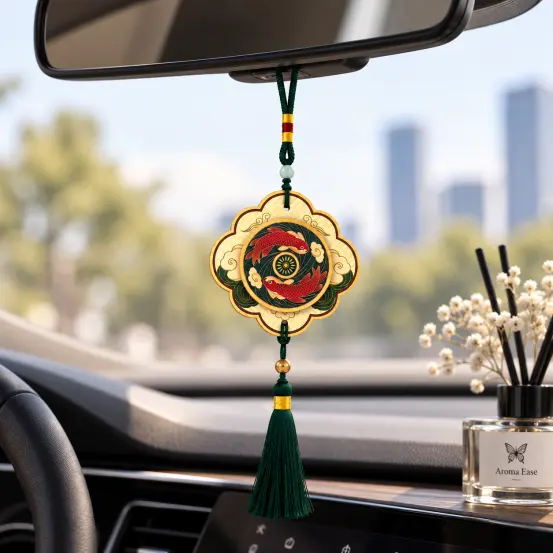
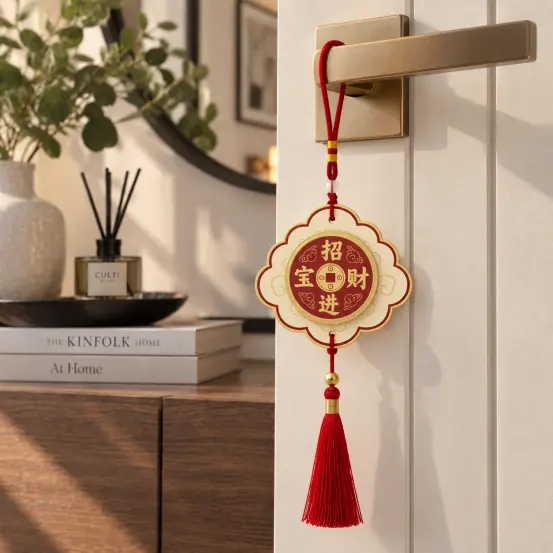
Bring Your Brand to Life with Custom Paper Air Fresheners.
- Eco-Friendly Materials
- Custom Designs
- Long-Lasting Fragrance
- Fast Turnaround
- High-Quality Printing
- Competitive Pricing
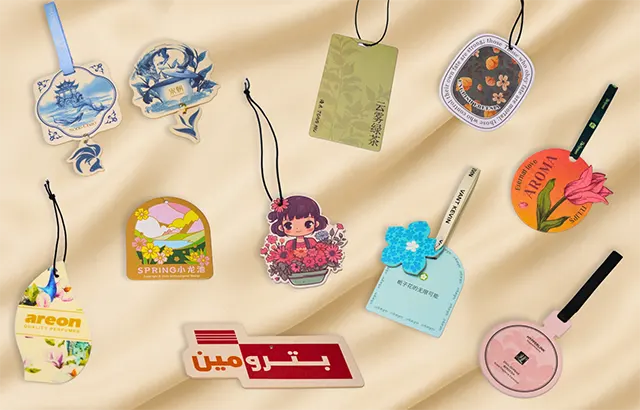

FREE SAMPLE