


Private Label Car Air Fresheners: Build Your Brand Step by Step
Private label car air fresheners let brand owners sell scented paper products under their own brand name — sourced from an OEM or ODM manufacturer in China, customized with your logo, fragrance, and packaging. Most manufacturers offer MOQs as low as 500 pieces, with production lead times of 15–21 days.
This guide covers the complete process: from choosing the right product format and manufacturing model, to placing your first order and shipping it worldwide. It is written by AromaEase, a China-based paper air freshener manufacturer with over 8 years of OEM and ODM production experience — not by a consultant or reseller.
What Is a Private Label Car Air Freshener?
A private label car air freshener is a product manufactured by a third-party factory and sold under your own brand name. You own the brand. The factory handles production.
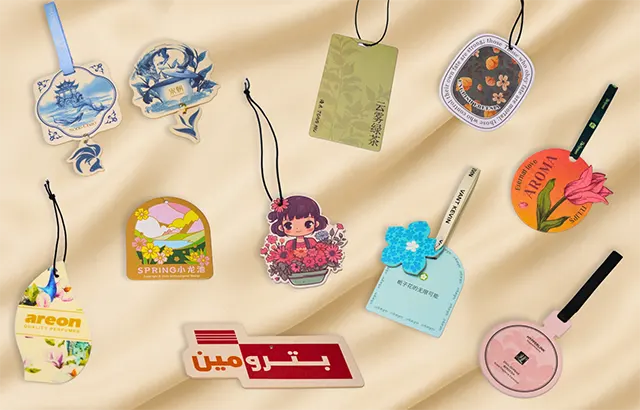
In the car air freshener category, the most common private label format is the hanging paper card — a die-cut, fragrance-infused card that hangs from a rearview mirror. These are made from cellulose fiber paper or coated card, saturated with fragrance oil at 25–40% by weight, then sealed in a polybag or poly sleeve to preserve the scent until the consumer opens it.
Other paper-based formats include:
- Backing card + OPP polybag sets for retail display
- Multi-pack gift box sets (3-pack, 5-pack, or seasonal assortments)
- Vent clip cards backed by stiff paper or cardboard
- Custom die-cut shapes (logos, animals, geometric forms)
Paper air fresheners are the most popular entry-point for private label brands because unit costs are low, MOQs are accessible, and the format is globally recognized by consumers.
OEM vs. ODM vs. Private Label — Which Model Fits Your Brand?
These three terms are often used interchangeably online — they are not the same. Choosing the wrong model can slow down your launch and waste budget.
| Model | Who Designs the Product | Who Owns the Formula/IP | Best For | Typical MOQ |
|---|---|---|---|---|
| OEM (Original Equipment Manufacturer) | You (buyer) provide all artwork, specs, and shape | Buyer owns design IP | Established brands with own product design | 1,000+ pcs |
| ODM (Original Design Manufacturer) | Factory provides base design; you add your branding | Factory owns base design | New brands launching quickly without design resources | 500–1,000 pcs |
| Private Label | Factory's existing product + your logo and packaging | Buyer owns the brand | E-commerce sellers, retail brands, subscription boxes | 500+ pcs |
If you are launching your first SKU and want to move fast, ODM or private label is the right starting point. You choose from existing shapes, select a fragrance from the factory's library, and add your logo and packaging design. The factory handles the rest.
If you have an existing brand with defined product specifications — a unique shape, a proprietary scent blend, or specific paper weight requirements — OEM gives you full control and protects your IP.
The Car Air Freshener Market — Why Now Is the Right Time
The global car air freshener market was valued at $2.54 billion in 2025 and is projected to reach $3.21 billion by 2030, growing at a CAGR of approximately 4.8%.
North America holds the largest regional market share at 30.45% in 2025, driven by high vehicle ownership rates and strong consumer preference for branded in-car accessories. Europe and Asia-Pacific are the next largest regions, with growing demand in Southeast Asia and the Middle East.
Three trends are accelerating private label opportunity right now:
- Premiumization: Consumers are moving away from generic tree-shaped fresheners toward branded, design-forward products with premium scents
- Eco-consciousness: FSC-certified paper and biodegradable packaging are now active purchase drivers in EU and Australian markets
- E-commerce growth: Platforms like Amazon, TikTok Shop, and Shopify allow new brands to reach global consumers without traditional retail distribution
These trends favor private label brands that can differentiate on scent, design, and packaging — exactly what OEM/ODM manufacturing enables.
Step-by-Step: How to Launch Your Private Label Paper Car Air Freshener Brand
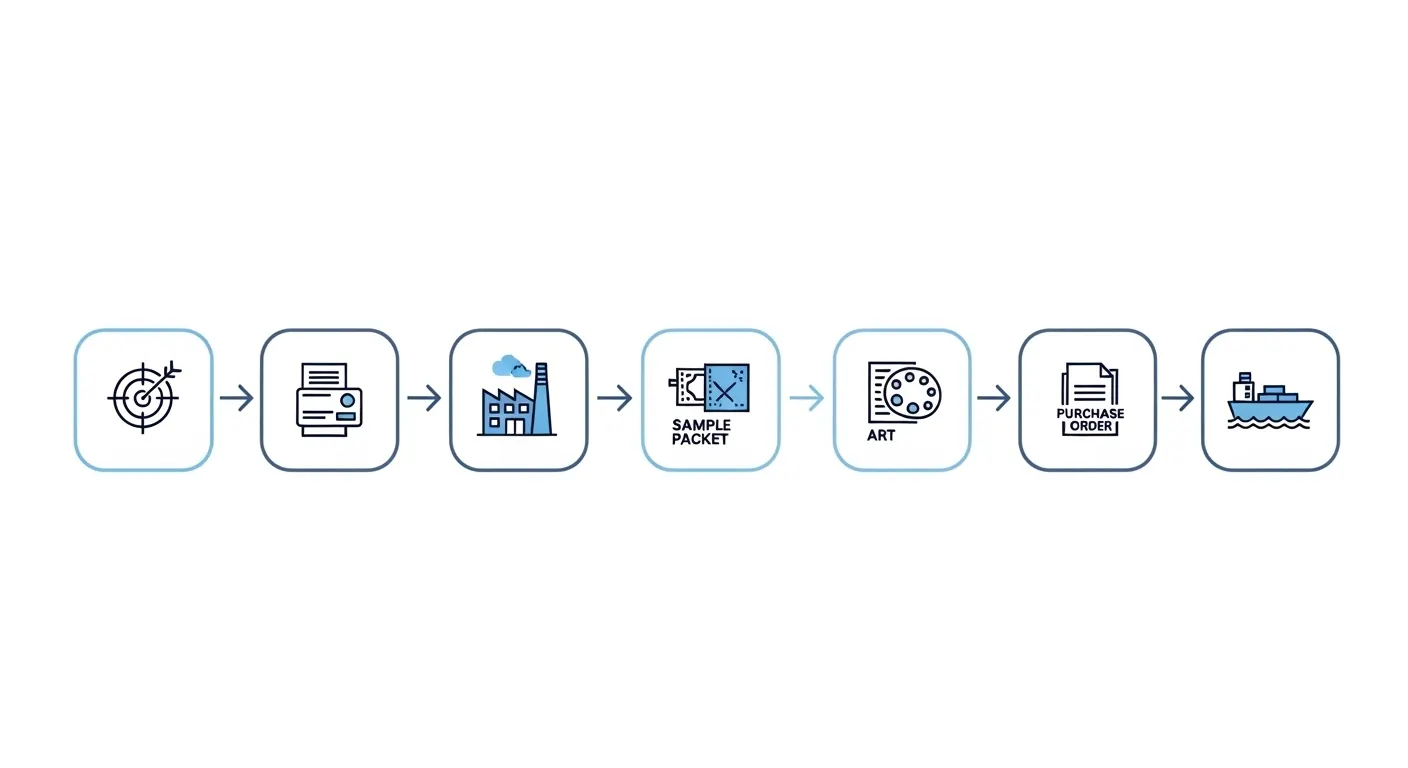
Step 1: Define Your Target Market and Scent Profile
Decide who you are selling to and where. A brand targeting US auto aftermarket retailers will choose different scents (black ice, new car, ocean breeze) than a brand targeting European boutique gift shops (bergamot, white tea, cedarwood).
Identify your retail channel — e-commerce, wholesale, subscription box, or branded gifting — before you finalize product specs. This determines your packaging format, unit price target, and minimum order quantity.
Step 2: Choose Your Product Format and Paper Substrate
Select your physical product format: standard hanging card, custom die-cut shape, multi-pack set, or vent clip card. Then choose the paper substrate:
- Cellulose fiber paper: High fragrance absorption, soft texture, best for standard hanging fresheners
- Coated card stock: Better for high-resolution full-color printing, slightly lower fragrance load
- Kraft paper: Natural look, preferred for eco-positioning and FSC-certified product lines
Paper weight (gsm) affects both the fragrance load and the product's perceived quality. Heavier paper holds more fragrance oil and lasts longer. Discuss gsm options with your manufacturer at the sampling stage.
Step 3: Select Your Manufacturing Model (OEM, ODM, or Private Label)
Based on the comparison table above, decide whether you are bringing your own design (OEM), using the factory's base design with your branding (ODM), or private labeling an existing product.
First-time brand owners launching on Amazon or Shopify should start with ODM or private label to reduce upfront cost and time. Established brands with brand guidelines should use OEM for full control.
Step 4: Request Samples and Approve Fragrance and Substrate
Request a sample kit before placing a production order. A good manufacturer will send 3–5 paper substrate samples with fragrance tester strips so you can evaluate scent throw, longevity, and print quality simultaneously.
Check the following during sample review:
- Fragrance intensity immediately after opening the polybag
- Scent duration over 7–14 days in an open environment
- Print color accuracy against your supplied artwork files
- Paper rigidity and die-cut edge quality
Do not proceed to production until the sample is approved in writing. This protects both parties.
Step 5: Finalize Custom Packaging Artwork
Your packaging includes: the backing card (what the product hangs on in retail), the polybag, the hang tag (if used), and the master carton label. Provide print-ready artwork files in AI, PDF, or EPS format at 300 DPI.
If you do not have a designer, most factories including AromaEase offer in-house design services. Share your brand guidelines (logo, colors, fonts) and a reference direction, and the factory's design team will produce a packaging draft for your approval.
Step 6: Place Your Production Order and Confirm Incoterms
Confirm your order quantity, SKU breakdown, fragrance selection, and packaging specs in a written purchase order. At this stage, agree on the Incoterms:
- EXW (Ex Works): You arrange and pay for all shipping from the factory gate
- FOB (Free on Board): Factory delivers goods to the port; you arrange ocean or air freight from there
- CIF (Cost, Insurance, Freight): Factory arranges and pays shipping to your destination port
FOB is the most common Incoterm for B2B private label orders from China. It gives buyers visibility into shipping costs while placing export clearance responsibility on the factory.
Step 7: Arrange Shipping and Obtain Compliance Documentation
For orders over 1,000 pieces, sea freight is the most cost-effective option. Transit times are 20–45 days depending on destination. Air freight costs significantly more per kilogram but delivers in 3–7 days — ideal for samples, launch quantities, or urgent restocks.
Before shipping, obtain all required compliance documents from your manufacturer:
- MSDS (Material Safety Data Sheet) or SDS (Safety Data Sheet)
- IFRA Certificate of Conformity for each fragrance
- REACH declaration (required for EU import)
- FSC certificate (if eco-positioning is part of your brand)
- CPSC compliance declaration (required for US market)
Paper Car Air Freshener Specs and Manufacturing Data
Brand owners making sourcing decisions need concrete numbers. Here are the typical manufacturing specifications for paper car air fresheners from China-based OEM factories:
| Specification | Typical Range |
|---|---|
| Minimum Order Quantity (MOQ) | 500–2,000 pcs per design (custom); 100–500 pcs for stock designs |
| Unit price (FOB China) | USD $0.07–$0.52 per piece depending on customization |
| Standard production lead time | 15–21 days after sample approval |
| Fragrance longevity (paper) | 30–45 days (sealed until opening); 1–4 weeks after opening |
| Paper types available | Cellulose fiber, coated card, kraft paper |
| Available shapes | Standard tree, round, rectangle, custom die-cut |
| Fragrance oil load | 25–40% by weight |
| Packaging options | OPP polybag + backing card, display box, master carton |
| Certifications available | REACH, IFRA CoC, MSDS/SDS, FSC, CPSC-compliant formulations |
For urgent orders using stock fragrances and standard shapes, some factories can ship within 3–5 business days. Custom die-cut shapes and custom fragrance development require longer lead times — typically 25–30 days including the sampling round.
Explore AromaEase's full range of custom paper car air fresheners to see available shapes, scents, and packaging formats.
Compliance and Certifications — What Global Buyers Must Know
This is the most important topic that almost every other article on this subject ignores. If you are selling car air fresheners in the US, EU, Australia, or the Middle East, you need specific documentation — and your manufacturer must be able to provide it.
| Market | Required or Strongly Recommended |
|---|---|
| European Union | REACH (EC No. 1907/2006), CLP Regulation, IFRA CoC, SDS with UFI/PCN notification |
| United States | CPSC compliance, MSDS/SDS, phthalate-free declaration |
| Australia / New Zealand | AICS chemical register compliance, SDS |
| All global markets | IFRA Certificate of Conformity, MSDS |
| Eco / Sustainability positioning | FSC-certified paper, rPET or recyclable packaging |
A critical point about IFRA compliance: Your manufacturer must provide IFRA certification at the final product fragrance concentration — not just at the raw fragrance concentrate level. These are different measurements. A fragrance oil that is compliant at 100% concentration may exceed IFRA limits when applied at 35% load to a paper substrate used in an enclosed cabin. Always ask your supplier to confirm the IFRA certificate covers the specific application category (Category 12: Rinse-off or non-rinse products, or the relevant automotive category).
AromaEase provides a complete documentation package — MSDS, IFRA CoC, REACH declaration, and FSC certificate where applicable — with every OEM and ODM production order. For buyers targeting the EU market, this documentation is not optional.
Shipping Your Order — Air Freight vs. Sea Freight
Most new brand owners underestimate the total landed cost of their first order. Shipping method is the single largest variable after unit price.
| Factor | Air Freight | Sea Freight |
|---|---|---|
| Transit time | 3–7 days | 20–45 days |
| Cost estimate | $4–$8 per kg | $0.10–$0.50 per kg (FCL/LCL) |
| Best used for | Samples, urgent top-ups, launch quantities | Full production orders, seasonal inventory |
| Minimum shipment | Any volume | LCL available from 1 CBM |
| Common Incoterms | EXW, DAP | FOB, CIF |
For orders above 1,000 pieces, sea freight almost always makes sense. Paper air fresheners are lightweight but bulky — a carton of 1,000 units typically weighs 8–12 kg and occupies 0.05–0.08 CBM. At that volume, sea freight LCL (Less than Container Load) costs a fraction of air.
For your first trial order or a product launch with tight timelines, air freight is acceptable — factor it into your unit cost model from the start. See AromaEase's wholesale car air freshener guide for bulk order cost benchmarks.
Real Profit Margin Example for Brand Owners
Here is a realistic unit economics model for a private label paper car air freshener sold on an e-commerce platform:
- FOB unit cost (custom, 1,000 pcs): USD $0.20/piece
- Sea freight + import duties (US destination, estimated): ~$0.08/piece
- Total landed cost: ~$0.28/piece
- Retail price (Amazon or Shopify, single unit): $3.00–$5.00
- Gross margin before platform fees and marketing: ~88–91%
A 3-pack or 5-pack format typically commands $6.99–$12.99 at retail, further improving revenue per shipment while keeping landed cost nearly the same. Private label branding versus generic reselling typically adds a 2–4× retail price premium, because branded products justify higher positioning.
The margin profile of paper car air fresheners is one of the highest in the automotive accessories category. Low unit weight, compact packaging, and high fragrance value-to-cost ratio make this product particularly attractive for first-time private label brands.
Why Paper Outperforms Other Formats for Private Label Brands
Most brand owners compare paper against gel canisters, plastic vent clips, and electronic diffusers when making sourcing decisions. For private label purposes, paper has clear structural advantages.
| Format | Avg. Fragrance Duration | Unit Cost (FOB) | Printable Surface | MOQ Accessibility |
|---|---|---|---|---|
| Hanging paper card | 1–4 weeks after opening | $0.07–$0.52 | ✅ Full front/back | ✅ Low (500+ pcs) |
| Gel canister | 1–2 months | $0.40–$1.20 | ⚠️ Label only | ⚠️ Medium |
| Plastic vent clip | 1–2 months | $0.60–$1.80 | ⚠️ Small label | ❌ Higher MOQ |
| Electronic diffuser | 3–6 months | $3.00–$8.00+ | ⚠️ Housing only | ❌ High MOQ |
Paper air fresheners offer the largest printable canvas relative to unit cost, which makes them the best format for brand storytelling at point of sale. The backing card functions as a mini billboard — most brand owners use it for product name, logo, scent description, QR code, and brand story.
Why Brand Owners Choose AromaEase (airfreshenerpaper.com)
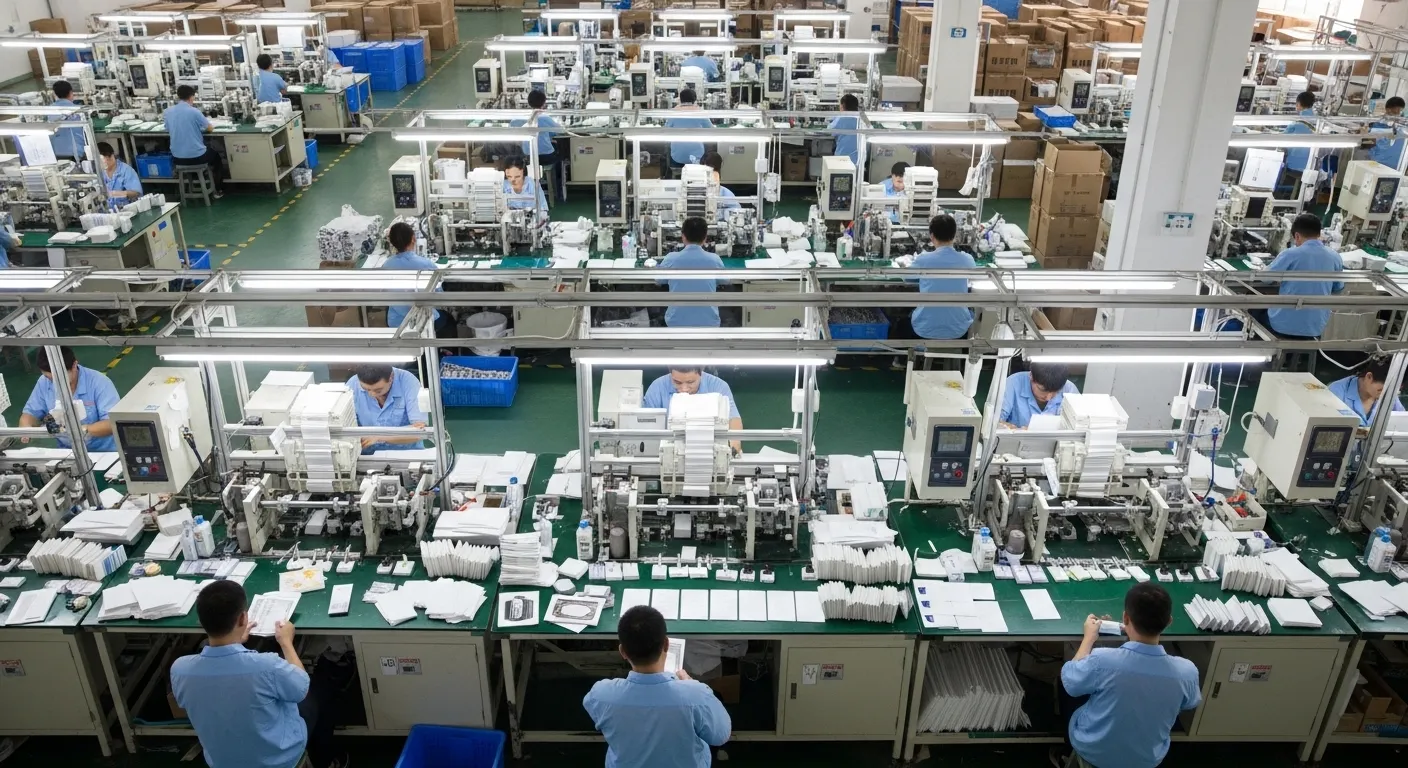
Dongguan Aroma Ease Manufacture Co., Ltd. is a dedicated paper air freshener manufacturer based in Guangdong, China. With over 8 years of production experience, AromaEase operates as a direct factory — not a trading company or middleman.
Key reasons global brand owners source from AromaEase:
- Paper specialization: AromaEase focuses exclusively on paper-based air fresheners, which means deeper expertise in substrate selection, fragrance saturation, and longevity optimization compared to general air freshener factories
- Full OEM/ODM/private label capability: All three models supported under one roof — design, fragrance infusion, printing, and packaging produced in-house
- Low MOQ with fast lead time: Production orders from 500 pieces with standard lead times of 15–20 days, even for custom designs
- 80+ signature scents: Choose from an existing fragrance library or request custom scent development
- Documentation-ready exports: MSDS, IFRA CoC, REACH, and FSC certificates issued with every order
- Global shipping experience: Regular shipments to the US, EU, Australia, Middle East, and Southeast Asia
Read more about AromaEase's position among leading paper car air freshener manufacturers in China to compare supplier options before making a sourcing decision.
Frequently Asked Questions
MOQ depends on the level of customization. For stock designs with your logo added, MOQ starts at 500 pieces per design. For fully custom die-cut shapes or custom fragrance development, MOQ is typically 1,000–2,000 pieces. Smaller trial orders of 100–500 pieces are sometimes possible for standard shapes using existing fragrance stock. Always confirm MOQ in writing before the sample stage, as it affects unit pricing.
For the United States: You need an MSDS (Material Safety Data Sheet) for each fragrance, a CPSC compliance declaration, and a phthalate-free formulation confirmation if marketing to families or children. For the European Union: REACH (EC No. 1907/2006) compliance documentation, CLP labeling, an IFRA Certificate of Conformity at product-level concentration, and an SDS with UFI/PCN notification are required. Your manufacturer should provide these documents as part of the standard order process — if they cannot, look for a different supplier.
OEM (Original Equipment Manufacturer) means you provide the complete product design — the shape, artwork, fragrance spec, and packaging — and the factory produces it to your exact specification. You own all intellectual property. ODM (Original Design Manufacturer) means you choose from the factory's existing product designs and add your branding. The factory's base design IP remains with the factory. ODM is faster and cheaper to launch because you skip the design and sampling cycle for the product form itself. New brands with limited budgets typically start with ODM and migrate to OEM as they scale.
Paper car air fresheners typically last 1–4 weeks after opening depending on fragrance oil load percentage, paper substrate density, and environmental conditions (heat, direct sunlight, and airflow accelerate evaporation). A product with a 35–40% fragrance oil load on high-density cellulose paper will outperform a lower-load product on lightweight card. Before opening, the product stays fully potent as long as the polybag seal is intact — which can be months in storage. For a detailed comparison by freshener type, see how long different car air fresheners last.
For sample orders and trial quantities under 100 kg, use air freight (3–7 days, higher cost per kg). For production orders, use sea freight LCL (Less than Container Load) if your volume is under a full container, or FCL (Full Container Load) if ordering at higher scale. Under FOB Incoterms — the most common for China exports — you or your freight forwarder arranges pickup from the origin port. Under CIF, the factory arranges freight and insurance to your destination port. Most China-based manufacturers have established relationships with freight forwarders and can recommend reliable partners for your destination country.
Start Building Your Brand — Request a Free Sample
The fastest way to evaluate a manufacturer is to test the product in your hands. AromaEase offers sample kits that include paper substrate swatches in multiple gsm weights, fragrance tester strips from the standard scent library, a printed spec sheet with MOQ tiers and lead times, and a price list for OEM, ODM, and private label orders.
Contact AromaEase at airfreshenerpaper.com to request your sample kit. The team responds within 24 hours and can provide a formal quotation within 48 hours of receiving your product brief.


- branded car air fresheners paper
- fresh scent car air freshener
- strong scent car air freshener
- car fragrance freshener
- car interior scent booster
- car air freshener for bad odor
- scented car air fresheners
- small batch custom paper air fresheners
- custom logo paper air fresheners
- logo printed paper air fresheners
- hotel room paper air fresheners
- Custom Air Fresheners
- paper air freshener OEM
- magnetic gift set air freshener
- smoke odor eliminator paper
- eco-friendly paper air freshener
- Paper Air Fresheners
- Car Fragrance
- Eco-Friendly Fragrance
- Sustainable Packaging
- Fast Turnaround
- Eco-Friendly Promotions
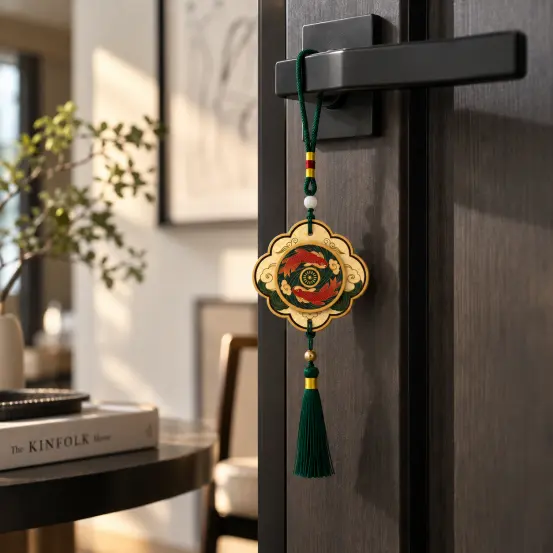
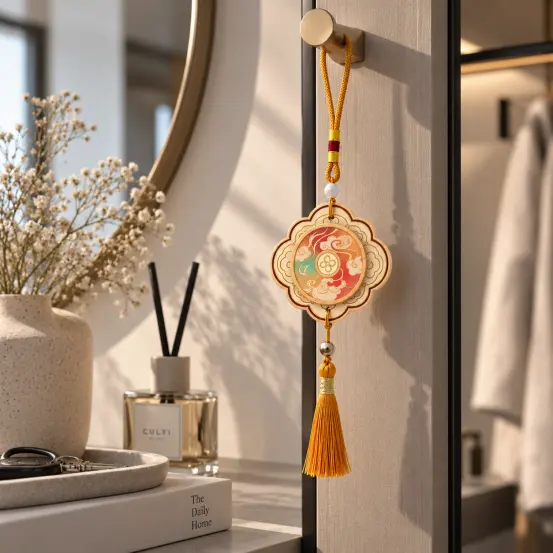
Bring Your Brand to Life with Custom Paper Air Fresheners.
- Eco-Friendly Materials
- Custom Designs
- Long-Lasting Fragrance
- Fast Turnaround
- High-Quality Printing
- Competitive Pricing

FREE SAMPLE